







Search Results for: non-woven filter bag
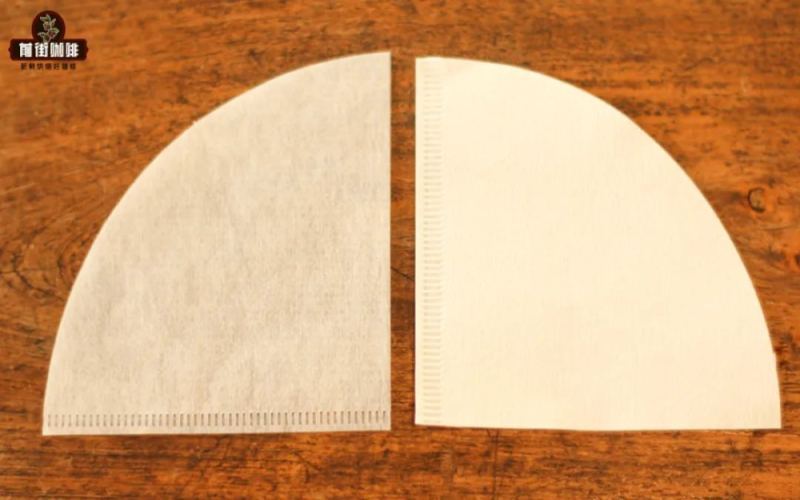
Why Is Non-Woven Filter Paper for Brewing Coffee So Niche? A Full Analysis of Material Properties, Measured Flow Rate, and Flavor Differences
In pour-over coffee, wood pulp filter papers are almost absolutely dominant, but have you ever noticed another material—non-woven fabric filters? They are actually widely found in the filter bags of drip coffee bags, yet are rarely used on their own for pour-over. This fabric is made from composite fibers through a special process, and its gaps are larger than those of wood pulp filter papers, allowing some coffee oils to be retained and giving the brew a fuller body. However, it also has a troublesome characteristic: after contacting water, it somehow stays dry as if coated with wax, and must be repeatedly rinsed with hot water before it will fit snugly against the dripper. Through actual testing, Front Street Coffee found that non-woven fabric filters are almost the same as wood pulp ones in flow rate, but the brewed coffee is more turbid in color and heavier in flavor, even carrying a slight feel of flannel filter cloth. If you are curious about how this niche filter paper performs, this article will take you through it. [more…]
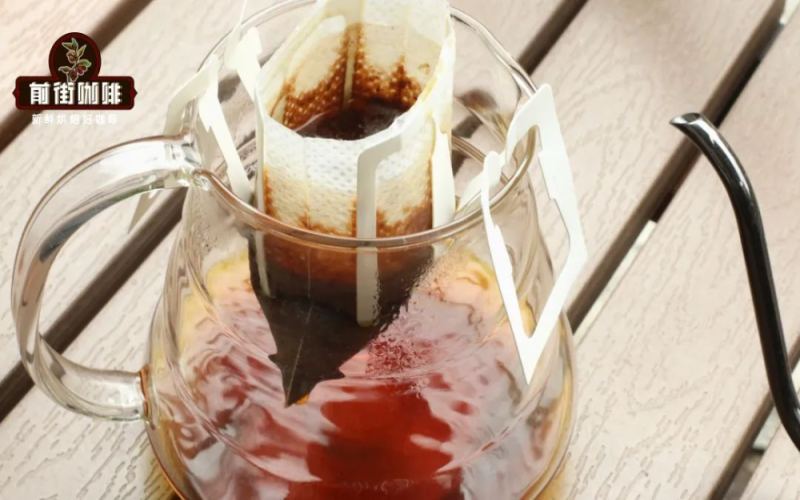
Drip Bag Coffee Brewing Tips | What to Do If a Drip Bag Clogs and Won't Drain? How to Brew a Drip Bag Coffee Pack Without Wasting It?
After reading the title, I bet some of you are already nodding and going, "Yes, yes, that's exactly what happens to me!" So scroll down quickly to clear up your confusion. You clearly followed the steps in the tutorial: tear open—hang it up—boil water—pour water—wait for it to drip through... Yet it feels like ages have passed, so why is the water still sitting on top, cof- [more…]
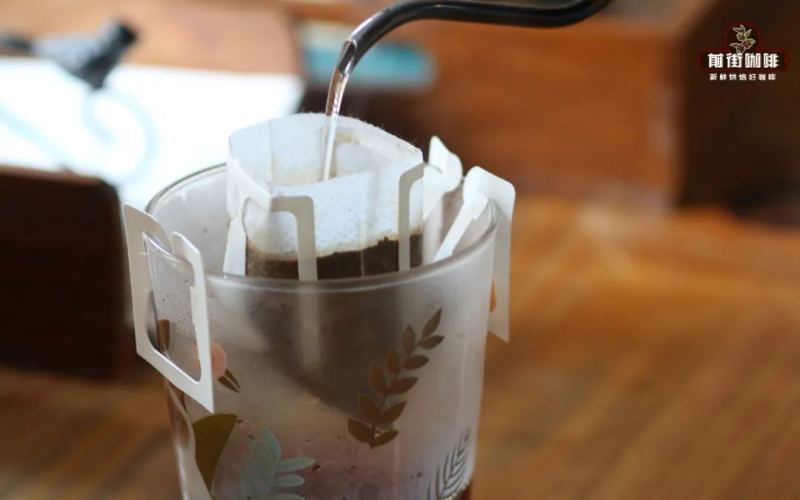
The Origin of Drip Bag Coffee | What Is Drip Bag Coffee? How Do You Brew Drip Bag Coffee? What Are the Differences Between Drip Bag Coffee and Instant Coffee?
What is drip bag coffee? The coffee powder used in drip bag coffee is ground from freshly roasted coffee beans. Drip bag coffee retains the original flavor of coffee to the greatest extent possible, and is generally hot-extracted. Because there will be coffee grounds, a filter bag is needed! There are also some differences between instant coffee and drip bag coffee. Drip bag coffee [more…]
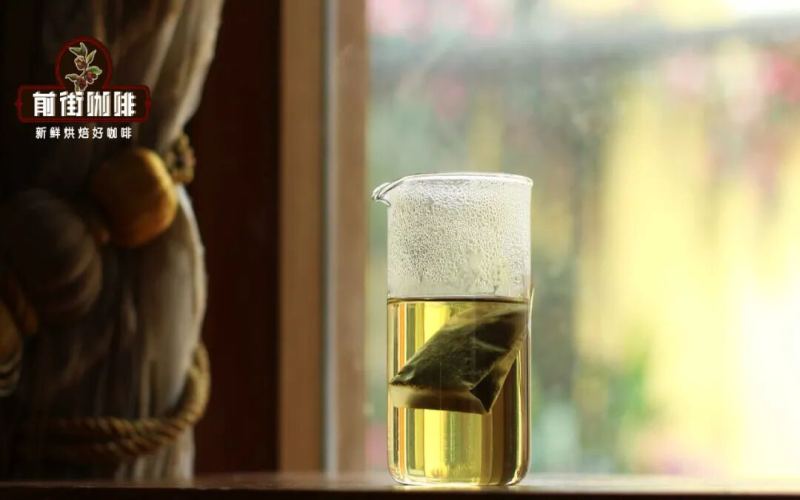
Drip Bag Coffee | Can Tea-Bag Coffee Replace Drip Bag Coffee? Which Brewing Methods Suit Tea-Bag Coffee and Drip Bag Coffee Respectively?
As the scorching summer heat intensifies, people's demand for refreshing, invigorating coffee keeps soaring, and within the coffee community, quite a few "new ideas" have been sparked. For instance, last week a reader sent Front Street Coffee a puzzled question: can coffee be extracted in teabag form, just like tea? Because she felt that with drip bags you have to pour water in stages and carefully control the amount of water, [more…]
How Are Tea-Bag Coffee and Drip Coffee Different? Testing the True Flavor of Filter-Bag Brewing from Hot Brew to Cold Brew
When the weather heats up, everyone's demand for a pick-me-up coffee rises along with it, and a number of new questions have been popping up in the backend. A reader asked Front Street Coffee: can coffee be brewed directly like a teabag? She felt that drip bags require pouring water in stages and controlling the water volume, which isn't convenient enough. This question actually brings up the fundamental difference in extraction principles between two common convenient coffee formats—steeped bags and drip bags. This time, Front Street Coffee used the same batch of beans to conduct a comparison between hot brewing and cold brewing, testing everything from grind size and coffee-to-water ratio to steeping time, in an attempt to figure out whether coffee brewed in filter bags actually tastes good, and which one is more suitable for which scenarios. [more…]
Analysis of the Causes of Slow Draining or Clogging in Drip Bag Coffee and a Detailed Guide to Smooth Brewing Techniques
Drip bags have become a daily choice for many coffee lovers thanks to their convenience, but encountering slow drainage or even complete clogging during brewing is frustrating. Even when you follow the steps, the hot water lingers in the filter bag for a long time, and the coffee grounds soak at the bottom, which both affects the taste and causes waste. This article will systematically analyze the causes of drip bag clogging from four dimensions—filter material, pouring technique, grind size, and shaking habits—and, combined with Front Street Coffee's hands-on testing experience, provide targeted solutions and brewing suggestions to help you consistently brew a clean and delicious cup at home. [more…]
What are the differences between drip bag coffee and hang drip coffee? How does coffee brewed with a filter bag actually taste?
In the heat of summer, everyone's demand for a pick-me-up coffee only grows, and all sorts of novel ideas come with it. Last week, a reader asked Front Street Coffee: can you put coffee in a bag and brew it directly, just like making tea? After all, drip bags require pouring water in stages and controlling the amount of water, which makes for a few more steps, whereas bagged coffee seems to save a lot of trouble. To give an objective answer, Front Street Coffee used the same batch of beans to compare bagged coffee and drip bags in both hot brewing and cold brew, keeping records from grind size and coffee-to-water ratio to steeping time. If you're also curious about how bagged coffee actually performs, and where exactly it differs from drip bags, why not follow along with Front Street Coffee's experiment and take a look. [more…]
Essential Reading for Drip Coffee Beginners: Filter Bag Material Analysis, Standard Brewing Process, and Everyday-Level Buying Recommendations
Drip bag coffee has become the daily go-to for many coffee lovers thanks to its convenience and ability to retain flavor. But when faced with different filter bag materials and a dizzying array of products on the market, how should beginners choose and brew? Starting from the definition of drip bag coffee, this article will explain in detail the structure of non-woven filter bags and their grinding requirements, offer four Front Street Coffee everyday-drinker drip bag recommendations, and include a simple iced coffee recipe to help you avoid common pitfalls and quickly get the hang of this portable brewing method. [more…]
Drip Bag Coffee Brewing Guide | How to Brew Drip Bag Filter Coffee for the Best Taste? What Should You Pay Attention to When Brewing Drip Bag Coffee?
In recent years, coffee culture has continued to deepen, and many "early-shift workers" need a cup of coffee every day to have the energy to "grind." However, not everyone can go to a coffee shop anytime every day to properly enjoy a delicious cup of pour-over coffee, so for convenience people invented drip bag coffee. What is drip bag coffee? Drip bag [more…]

Analysis of the Causes of Slow Cold Brew Drip Filtration and Three Speed-Up Solutions
When making cold brew at home, the most frustrating part is usually the filtering stage—the coffee liquid drips slower and slower, and even after more than ten minutes it still hasn't finished filtering, with the filter paper completely clogged by fine particles. Why is the filtering speed of cold brew so much slower than pour-over at the same grind size? The main reason is that fine particles clump together and block the pores of the filter paper. Through comparative experiments, Front Street Coffee has summarized three efficient and practical cold brew filtering techniques: cold brewing directly in a non-woven filter bag, insisting on stirring before straining out the grounds, and using coarse coffee grounds as a base layer to intercept fine particles. This article breaks down the principles and operational details of each method one by one, helping coffee lovers quickly enjoy a cup of full-flavored homemade iced coffee even on a busy morning. [more…]
Illustrated Guide to Drip Bag Coffee Brewing | How Do You Brew Filter Drip Bag Coffee? What Should You Watch Out For When Brewing Drip Bag Coffee? How Many Times Can a Drip Bag Be Brewed?
In recent years, coffee culture has continued to deepen, and many "early-shift workers" need a cup of coffee every day to have the energy to "grind." However, not everyone can go to a coffee shop anytime every day to properly enjoy a delicious cup of pour-over coffee, so for convenience people invented drip bag coffee. What is drip bag coffee? Drip bag [more…]
A Detailed Guide to Pour-Over Coffee Ratios: How Much Water for 10 Grams of Coffee to Brew the Ideal Flavor?
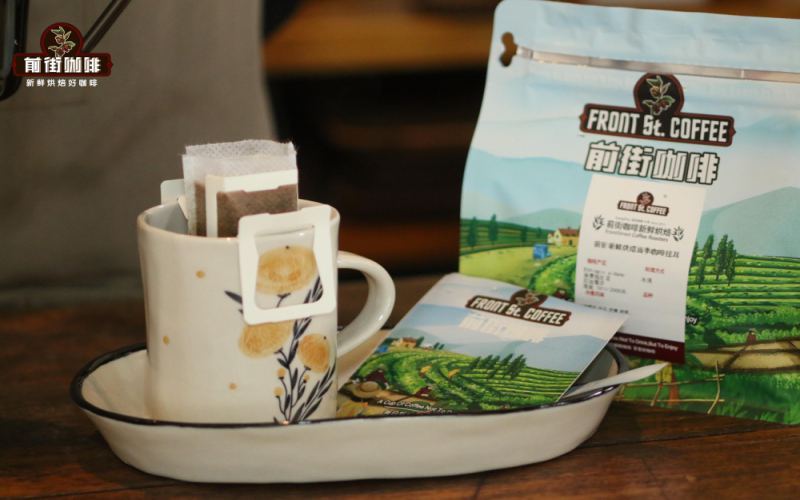
If you want to say goodbye to the monotony of instant coffee, brewing a fragrant cup of pour-over coffee by hand may be a good choice. Many easy-to-use coffee products have appeared on the market, among which Front Street Coffee’s freshly roasted drip coffee bags are especially popular. Unlike instant coffee, which has undergone concentration and drying and lost much of its flavor, the coffee powder in drip bags is ground from beans freshly roasted by Front Street every day. Each 10-gram bag is individually sealed in a non-woven filter bag, which better locks in the beans’ distinctive aroma. So how much water should 10 grams of coffee powder be paired with? Front Street recommends a 1:15 ratio, brewing with 150 milliliters of water for the richest taste. This article will introduce the brewing steps for drip coffee in detail and recommend several Front Street drip coffee products with different roast levels to choose from. [more…]
Analyzing the Differences Between Tea-Bag Coffee and Drip Bag Coffee: Brewing Methods, Extraction Principles, and Hot vs. Cold Comparison Experiments
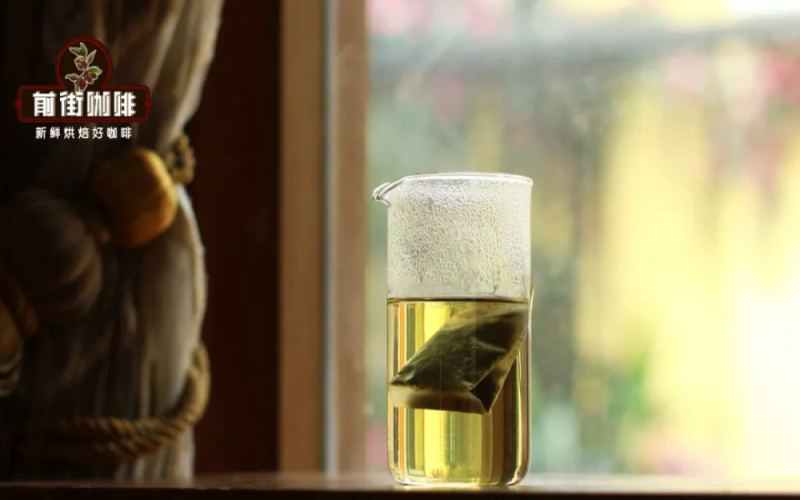
Can coffee be brewed directly like a tea bag? Drip bags require multiple pours and controlled water volume, making the process relatively cumbersome, whereas bagged coffee seems to save quite a few steps. Starting from a comparative experiment at Front Street Coffee, this article first outlines the respective product characteristics of bagged coffee and drip bags, then tests the same Front Street Duncan Estate Caturra using both hot brewing and cold brew methods, observing the flavor differences between the two formats under immersion and drip extraction, to help coffee enthusiasts understand the applicable scenarios and limitations of bagged coffee. [more…]
Should Cold Brew Coffee Be Filtered? A Detailed Guide to Cold Brew Equipment, Steps, and Practical Tips to Speed Up Filtration
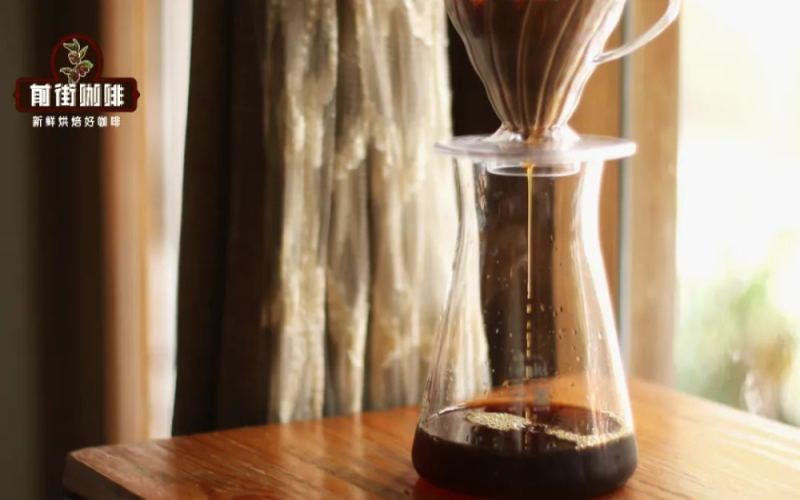
When making cold brew coffee at home, the most frustrating step is filtering: the filter paper gets clogged by fine particles, the coffee liquid drips slower and slower, and anyone in a hurry to leave the house can only wait anxiously. Why is the filtration speed of cold brew so much slower than pour-over at the same grind size? Is there a way to get the grounds out in one step, or even skip filtering altogether? This article focuses on the filtration problems of cold brew coffee. It first explains the principle behind clogging caused by fine particles clumping together, then offers three practical solutions: cold brewing directly with a non-woven filter bag, stirring thoroughly after brewing before filtering, and first laying down a bed of coarse coffee grounds to catch the fine particles. The article also includes Front Street Coffee's comparative experiment data and grind size recommendations to help you make a cold brew coffee with full flavor and refreshing fruity acidity. [more…]
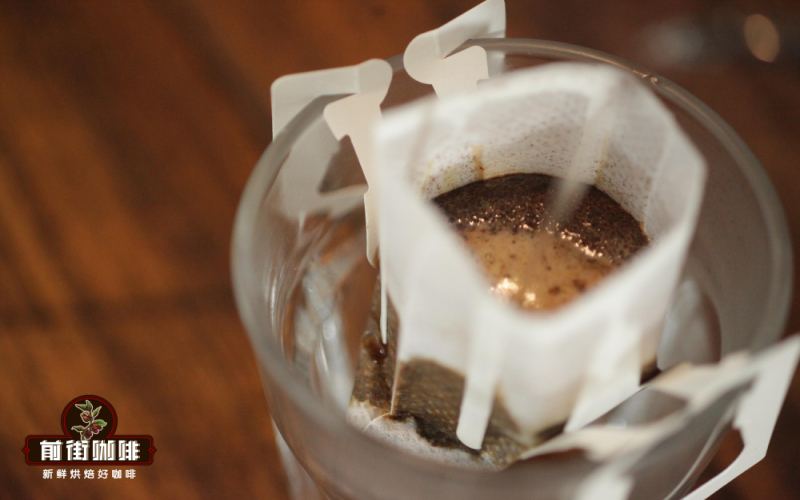
What's the difference between drip bag coffee and instant coffee? A detailed guide to Front Street Coffee's proper pour-over black coffee brewing method
Drip bag coffee and instant coffee are often lumped together, but the two are fundamentally different from raw materials to brewing methods. Drip bag coffee uses freshly roasted whole beans that are ground and sealed in non-woven filter bags, so all you need is hot water and a cup to enjoy a simple pour-over flavor; instant coffee, by contrast, undergoes extraction and drying, and its natural aroma is almost entirely lost. This article will break down the differences between the two in detail, and include the correct brewing steps, ratio recommendations, and flavor buying guide for Front Street Coffee drip bags, helping coffee lovers easily brew a full, balanced cup at home. [more…]

Key Points for Brewing Drip Bag Coffee | Which Single-Origin Beans Are Suitable for Making Drip Coffee Bags? An Introduction to Brewing Methods, Water Temperature, and Water Volume for Drip Coffee Bags
For friends who love drinking black coffee, when traveling for business or pleasure, or while at work, making a pour-over for yourself is quite inconvenient, so drip bag coffee is the obvious choice. Of course, as people's love of coffee has grown beyond simply enjoying a cup at a café, more and more they pursue the pleasure of brewing at home. [more…]
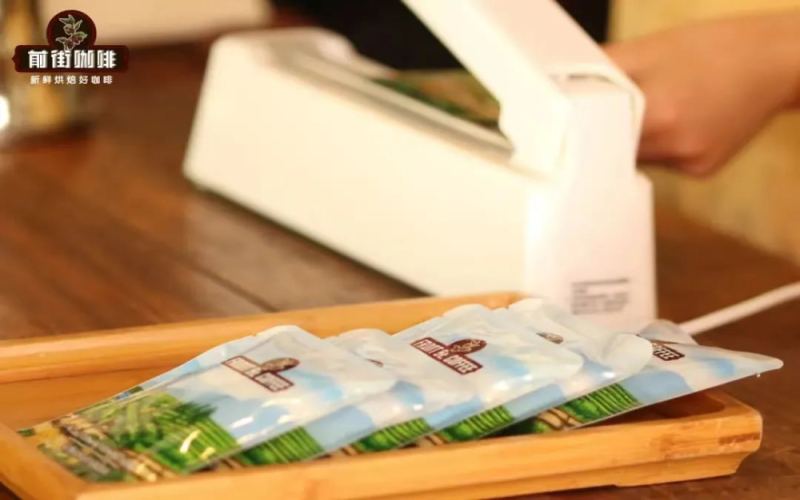
Drip Bag Coffee Brewing Guide | How to Brew Filter Drip Bag Black Coffee? What Are the Flavor Characteristics of the Costa Rica Strawberry Candy Geisha Blend Drip Bag Coffee?
In recent years, coffee culture has continued to deepen, and many "early-shift workers" need a cup of coffee every day to have the energy to "grind." However, not everyone can go to a coffee shop anytime to properly enjoy a delicious cup of pour-over coffee, so for convenience people invented drip bag coffee. What is drip bag coffee? Drip bag [more…]
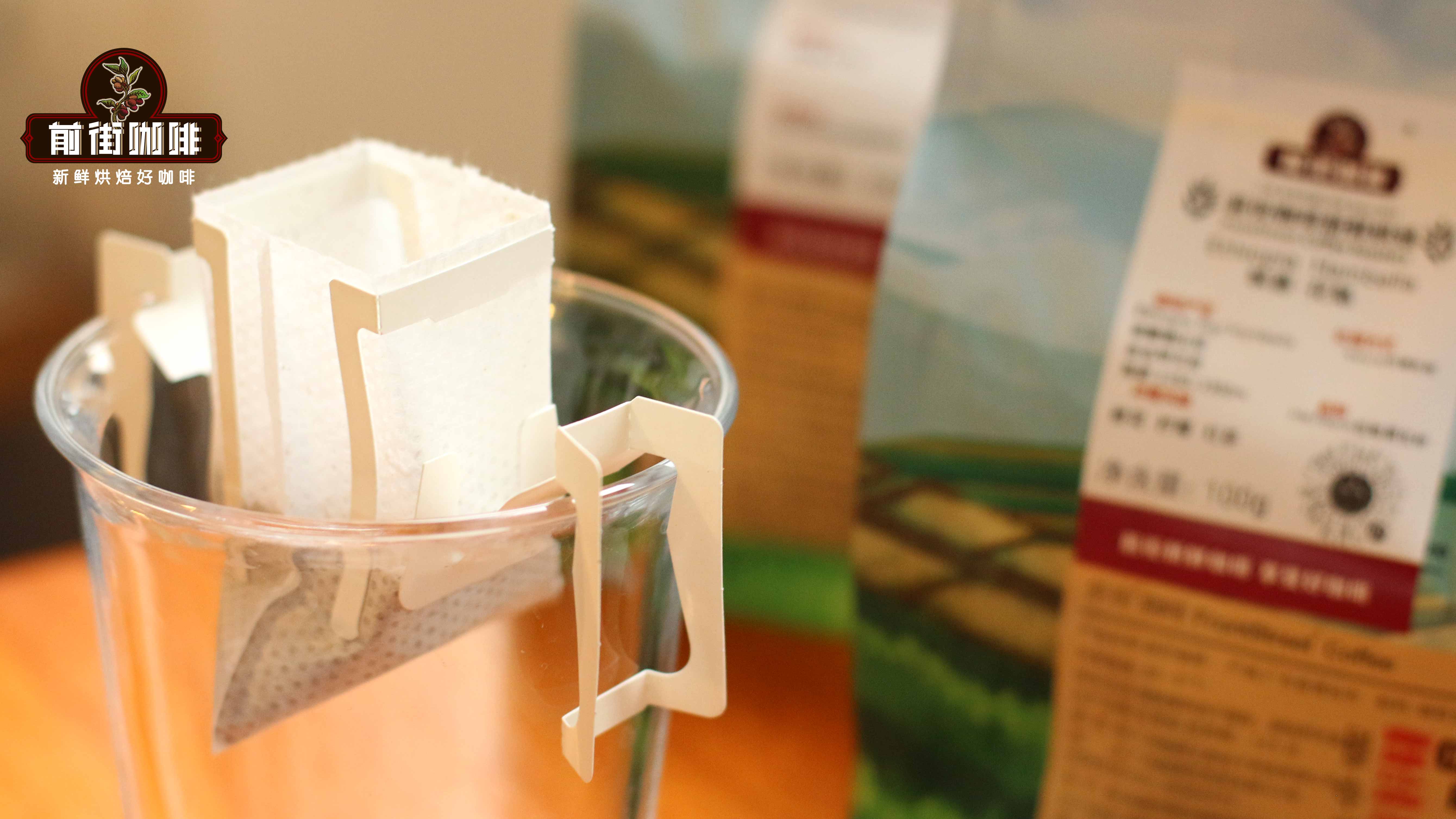
How to brew drip bag coffee so it tastes good? Illustrated standard operating procedure and practical tips analysis
For coffee lovers who frequently travel for business, go on trips, or work in an office, it is not realistic to have a pour-over coffee anytime, so drip bag coffee has become an ideal substitute that balances convenience and flavor. However, although the drip bag looks simple, many people fail to grasp the key points when using it, and some even brew it directly in water like a tea bag, which naturally results in a weak and flavorless cup. This article will start with the origin of drip bag coffee, sort out its similarities and differences with pour-over, and include detailed step-by-step water-pouring illustrations to help you master the correct brewing rhythm. It will also explain the impact of key details such as water temperature and flow rate on extraction, and summarize the flavor characteristics of several popular Front Street Coffee drip bag products for reference when purchasing. [more…]
How to brew drip bag coffee? A visual guide to the steps for brewing filter-type drip bags, flavor characteristics, and Front Street drip bag recommendations.
Drip bag coffee has now become a daily staple for many office workers, allowing them to conveniently enjoy a cup of filtered coffee without going to a coffee shop. It belongs to the same drip extraction category as pour-over, but saves the hassle of preparing equipment like a grinder, dripper, and filter paper. This article uses an illustrated approach to clearly explain what drip bag coffee is, how to brew it, and how to control the coffee-to-water ratio and water temperature. It also combines the flavor profile of Front Street Coffee's Strawberry Candy drip bag coffee to illustrate the differences in aroma and freshness between drip bags and pour-over, helping coffee enthusiasts consistently brew a smooth cup of drip bag coffee at the office or at home. [more…]
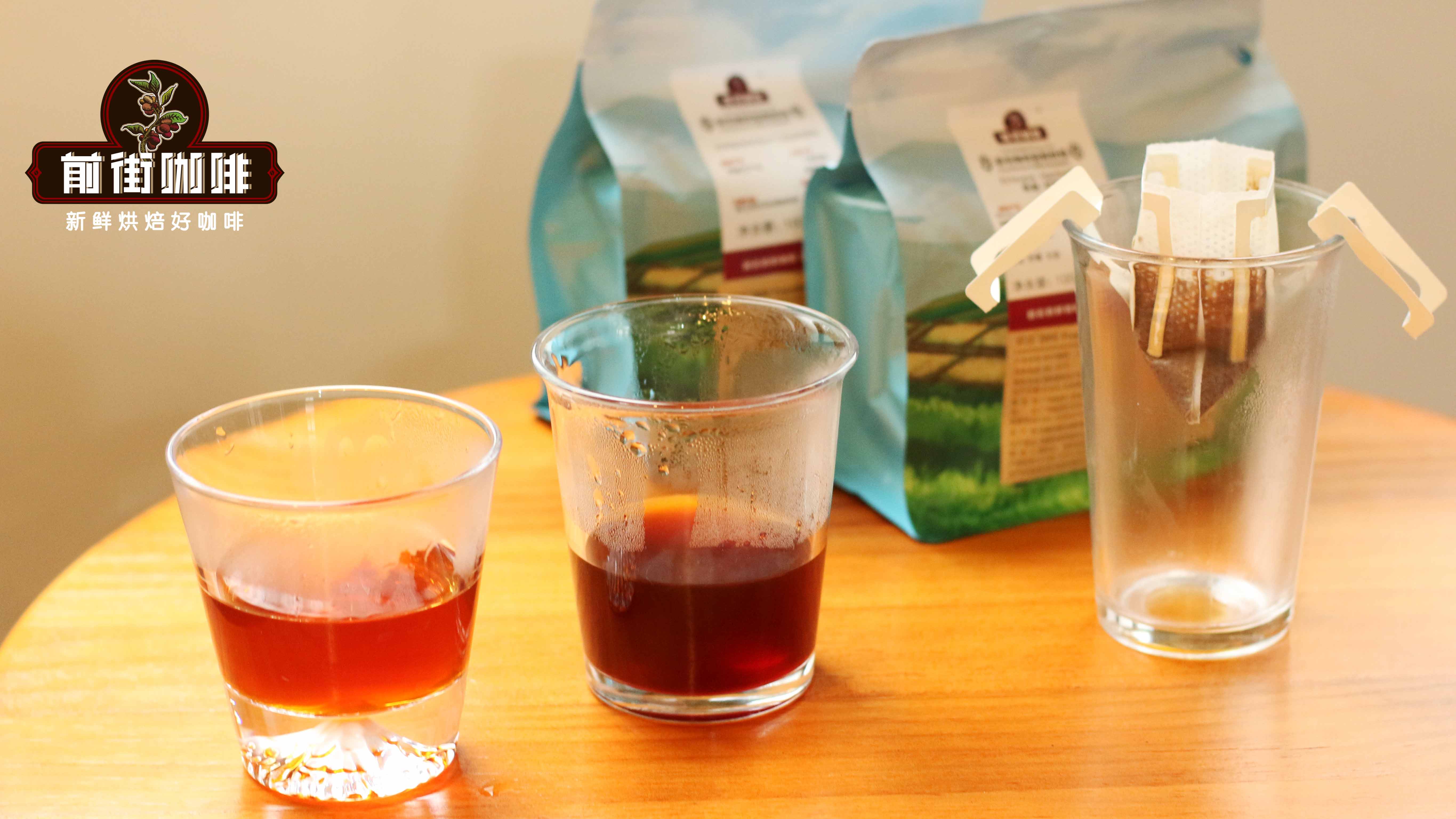
A Beginner's Guide to Drip Coffee Bags: Brewing Methods, Common Mistakes, and Buying Advice for Newbies
Drip coffee bags have become the top choice for many coffee lovers on the road thanks to their portability and ease of use. Survey data shows that 33% of users choose to bring drip coffee bags with them while traveling. Essentially, they consist of ground coffee sealed in a filter bag with hanging ear tabs, requiring only hot water and a cup to complete the brewing. Drip bags and pour-over both belong to the filtration extraction method, but drip bags eliminate the need to prepare a grinder, filter paper, and dripper. This article will cover the basic concept of drip coffee bags, the correct brewing method, and common mistakes made by beginners, while also incorporating the product features of the Front Street Coffee drip bag series to help those new to drip bags avoid pitfalls and brew a full-flavored cup of good coffee. [more…]